Big storms are the one emergency that reliably announces itself. Use the notice.
A named storm usually arrives with days of forecast, which is a genuine advantage — almost everything worth doing can be done calmly beforehand, while shops are still stocked and the power is still on.
This list assumes you will lose electricity and possibly water for a while, and that going outside will be a poor idea for a day or two.
Stock up
0 of 5
Do this on the first forecast, not the last.
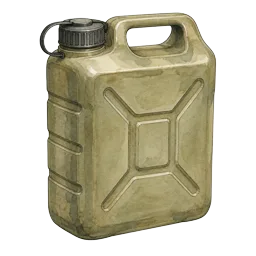
Stored drinking water
Water is the first thing to run short and the hardest to improvise. Three litres per person per day covers drinking and basic cooking, and having it already in the house means you never join the queue for it.
Why you need it. Water is the first thing to run short and the hardest to improvise. Three litres per person per day covers drinking and basic cooking, and having it already in the house means you never join the queue for it.
What to look for. Sealed bottles or food-grade containers holding three days' worth per person, kept somewhere cool and dark. Write the date on them and swap the stock out twice a year.
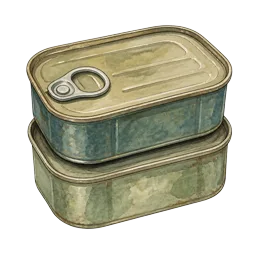
Shelf-stable food
Three days of food that needs no fridge and little or no cooking removes the pressure to shop during exactly the week everyone else is shopping.
Why you need it. Three days of food that needs no fridge and little or no cooking removes the pressure to shop during exactly the week everyone else is shopping.
What to look for. Tins, dried pasta, rice, nut butter and long-life milk you actually like eating, so the stock quietly rotates through normal meals instead of expiring in a cupboard.
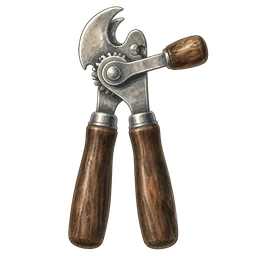
Manual can opener
A cupboard of tins and no way into them is the most avoidable failure on this list, and electric openers are useless the moment the power goes.
Why you need it. A cupboard of tins and no way into them is the most avoidable failure on this list, and electric openers are useless the moment the power goes.
What to look for. A simple metal opener with a comfortable handle. Keep it in the same place as the emergency food, not in the general kitchen drawer where it wanders off.
Medication buffer
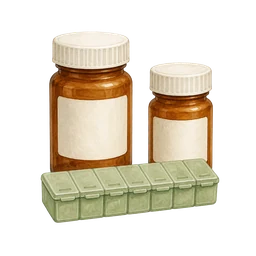
For anyone on regular medication this is the most important item here, and it is the one that takes planning rather than shopping.
Why you need it. For anyone on regular medication this is the most important item here, and it is the one that takes planning rather than shopping.
What to look for. A few extra days of any prescription, arranged with your pharmacy in advance, plus a written list of doses in your document pack.
Small cash reserve
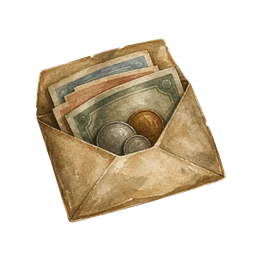
Card terminals and cash machines are the first things to stop working in a power cut, and small notes still buy fuel, food and a taxi.
Why you need it. Card terminals and cash machines are the first things to stop working in a power cut, and small notes still buy fuel, food and a taxi.
What to look for. Enough small notes and coins for a couple of days of essentials, stored with your documents rather than in a wallet you carry.
Ride it out
0 of 6
Assume no power, poor signal and a long evening.
Headlamp
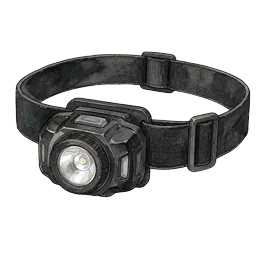
Hands-free light for a pre-dawn start, an unexpected late finish, or finding anything at all inside a tent.
Why you need it. Hands-free light for a pre-dawn start, an unexpected late finish, or finding anything at all inside a tent.
What to look for. A small lamp with a low mode for camp and a bright mode for walking, plus spare batteries or a charged battery pack.
Spare batteries
Torches, radios and smoke alarms all fail in the same quiet way: the batteries were flat, and nobody knew.
Why you need it. Torches, radios and smoke alarms all fail in the same quiet way: the batteries were flat, and nobody knew.
What to look for. A sealed pack in each size your kit actually uses, stored away from heat. Rechargeables are excellent day to day and a poor sole plan for a power cut.
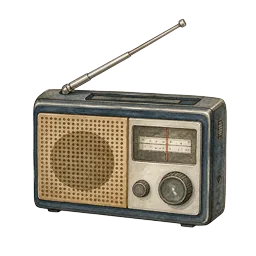
Battery or wind-up radio
When the mobile network is congested or down, local radio is still telling you which roads are closed and where to go. It is the one information source that does not depend on your phone.
Why you need it. When the mobile network is congested or down, local radio is still telling you which roads are closed and where to go. It is the one information source that does not depend on your phone.
What to look for. A wind-up or battery radio with FM and, ideally, weather or emergency bands. A model that also charges a phone earns its shelf space.
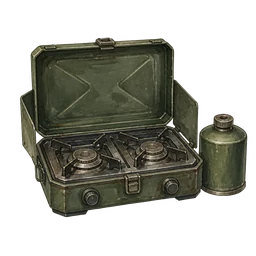
Off-grid cooker
Hot food and hot drinks change morale faster than anything else you can carry, and they stop being possible the moment the hob has no gas or power.
Why you need it. Hot food and hot drinks change morale faster than anything else you can carry, and they stop being possible the moment the hob has no gas or power.
What to look for. A single-burner gas or spirit stove with two spare canisters, used outdoors or in real ventilation. Test it once before you need it rather than reading the instructions by torchlight.
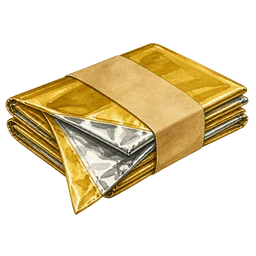
Emergency blanket
If the heating stops in winter, the problem is not the cold outside but the heat leaving you. A foil blanket or two costs almost nothing and buys hours of warmth.
Why you need it. If the heating stops in winter, the problem is not the cold outside but the heat leaving you. A foil blanket or two costs almost nothing and buys hours of warmth.
What to look for. Foil survival blankets or bivvy bags, one per person, plus a proper wool or fleece blanket if you have the space for it.
Power bank
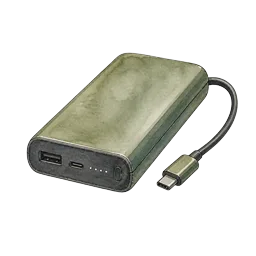
Keeps a phone, GPS watch or headlamp alive on long days, and cold weather drains batteries much faster than you expect.
Why you need it. Keeps a phone, GPS watch or headlamp alive on long days, and cold weather drains batteries much faster than you expect.
What to look for. A 10,000 mAh unit is a sensible balance of capacity and weight for most trips. Bring the right cable — the bank alone is useless.
Outside and after
0 of 5
Secure what can move; prepare for what may break.
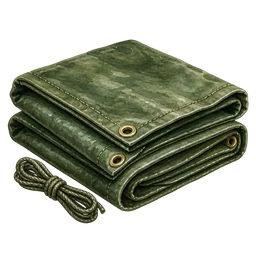
Tarpaulin
A sheet of waterproof material covers a damaged roof, keeps belongings dry, becomes shade, or becomes shelter. Few things are this flexible.
Why you need it. A sheet of waterproof material covers a damaged roof, keeps belongings dry, becomes shade, or becomes shelter. Few things are this flexible.
What to look for. A reinforced tarp with eyelets, around 3 x 4 m, plus a length of paracord to tie it with.
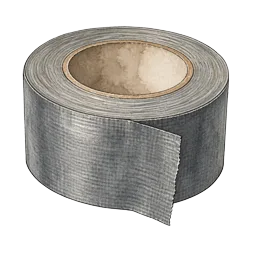
Duct tape
Broken windows, split bags, cracked pipes and taped-up boxes. It is the least glamorous and most reused thing in any kit.
Why you need it. Broken windows, split bags, cracked pipes and taped-up boxes. It is the least glamorous and most reused thing in any kit.
What to look for. One good-quality wide roll — cheap tape peels off exactly when the repair matters.
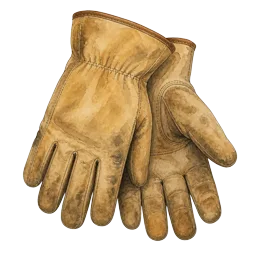
Work gloves
Broken glass, splintered wood and hot metal are the ordinary hazards of any clean-up, and hands are what you need working for everything else.
Why you need it. Broken glass, splintered wood and hot metal are the ordinary hazards of any clean-up, and hands are what you need working for everything else.
What to look for. Tough leather or coated gloves that fit properly. Cheap thin gloves tear on the first sharp edge, which is the edge that mattered.
Full tank, charged batteries
Not a purchase but a habit: a car above half a tank, a charged power bank and a charged phone mean an evacuation warning is an inconvenience rather than a problem.
Why you need it. Not a purchase but a habit: a car above half a tank, a charged power bank and a charged phone mean an evacuation warning is an inconvenience rather than a problem.
What to look for. A recurring reminder to top up fuel and charge power banks on the same day each month, before any forecast that looks unpleasant.
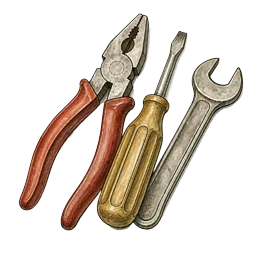
Utility shut-off knowledge
Knowing where your water stopcock, gas valve and fuse box are — and being able to reach them in the dark — prevents a bad day from becoming a flooded or burning one.
Why you need it. Knowing where your water stopcock, gas valve and fuse box are — and being able to reach them in the dark — prevents a bad day from becoming a flooded or burning one.
What to look for. The right spanner beside the valve, a label on the fuse box, and a photo of each one on your phone. Practise finding them with the lights off.
Field notes
Practical advice for storm & hurricane
Use this checklist as a starting point, then adapt it to the people, place, conditions and length of your plan.
Use the warning time
Major storms usually provide a preparation window. Follow official forecasts, charge devices, obtain medication, secure loose outdoor objects and move vehicles away from flood-prone areas. Decide early whether you will shelter or evacuate; the correct choice depends on local instructions and the building.
Sheltering well
Choose an interior area away from windows and keep shoes, lights, radio and first aid nearby. Store water and foods that can be eaten safely without mains power. If using a stove, generator or heater, follow its instructions and keep combustion equipment outdoors at the required distance from openings.
Common mistakes
Waiting for certainty often means shopping, securing property or leaving during the worst conditions. Other mistakes include taping windows as a substitute for protection, standing outside to watch the weather, and driving through water or around barriers after the storm.
After the storm
Hazards continue after the wind drops: live wires, unstable trees, contaminated water and carbon monoxide cause serious injuries. Check official messages before travelling, photograph damage from a safe position, and use qualified help for roofs, electricity and structural repairs.