Running needs less than the shops suggest. Get the shoes right, dress for the weather, and the rest is optional.
Running is the cheapest sport there is to start and the easiest one to make expensive. Almost everything that makes early runs unpleasant comes down to three things: shoes that no longer cushion, clothing that holds sweat, and being invisible in the dark.
This list covers regular runs of twenty minutes to an hour, on roads and park paths, through the whole year. Mark what you already own first. Most people discover they need one or two things, not a whole kit.
Shoes and clothing
0 of 6
Get this section right and running stops feeling like an endurance test.
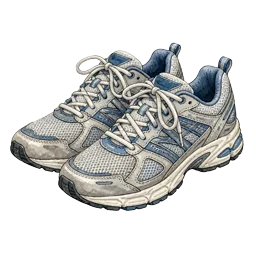
Running shoes
The one piece of kit that decides whether running feels good or hurts. Worn-out foam is the usual reason knees and shins start complaining.
Why you need it. The one piece of kit that decides whether running feels good or hurts. Worn-out foam is the usual reason knees and shins start complaining.
What to look for. Neutral cushioned shoes fitted with a thumbs width of space at the toes. Try them late in the day when feet are slightly swollen, and replace them after roughly 600-800 km.
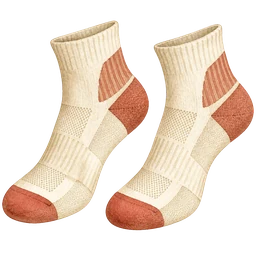
Running socks
Cotton socks hold sweat against the skin and that is where blisters come from.
Why you need it. Cotton socks hold sweat against the skin and that is where blisters come from.
What to look for. Synthetic or merino, with a snug heel and a flat toe seam. Two or three pairs is enough to rotate through a week.
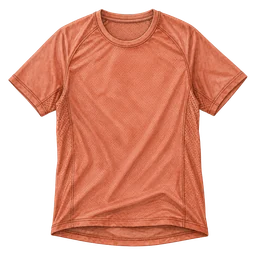
Technical top
Moves sweat away so you are not running in a cold wet shirt once you slow down.
Why you need it. Moves sweat away so you are not running in a cold wet shirt once you slow down.
What to look for. Light synthetic or merino, flat seams, no rough print across the chest. Long sleeve for cold months, short for the rest.
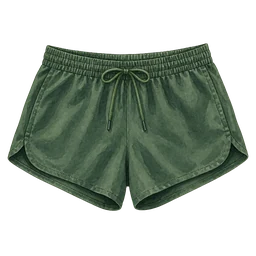
Running shorts
Comfort on longer runs comes from the shorts, not the shoes. Rubbing seams end runs early.
Why you need it. Comfort on longer runs comes from the shorts, not the shoes. Rubbing seams end runs early.
What to look for. A soft inner liner, a zip pocket for keys, and a waistband that stays put without digging in.
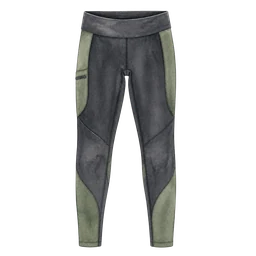
Running tights
Keeps muscles warm in the cold without the bulk of tracksuit trousers.
Why you need it. Keeps muscles warm in the cold without the bulk of tracksuit trousers.
What to look for. Brushed inner face for winter, an ankle zip if you run in boots-weather, and a rear pocket for a phone.
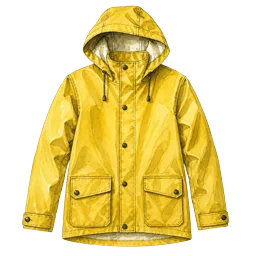
Running jacket
Wind is what makes cold runs miserable. A thin shell fixes it without overheating you.
Why you need it. Wind is what makes cold runs miserable. A thin shell fixes it without overheating you.
What to look for. Windproof front, breathable back, packs into its own pocket. Water-resistant is usually more useful than fully waterproof.
Weather, dark and being seen
0 of 6
Most of the running year is cold, wet or dark. This is what makes it fine.
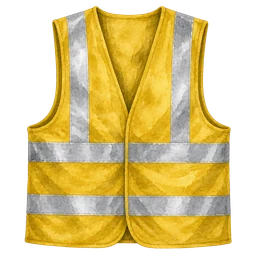
Reflective vest
Half the running year is dark. Being seen by drivers is the whole point.
Why you need it. Half the running year is dark. Being seen by drivers is the whole point.
What to look for. A light mesh vest with 360-degree reflective bands, adjustable so it does not bounce over a jacket.
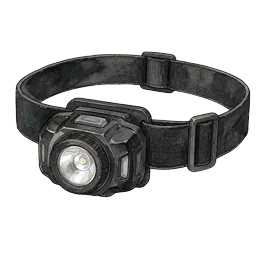
Headlamp
Hands-free light for a pre-dawn start, an unexpected late finish, or finding anything at all inside a tent.
Why you need it. Hands-free light for a pre-dawn start, an unexpected late finish, or finding anything at all inside a tent.
What to look for. A small lamp with a low mode for camp and a bright mode for walking, plus spare batteries or a charged battery pack.
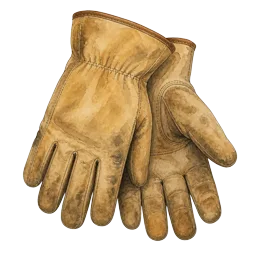
Running gloves
Hands are the first thing to go numb and the last to warm up.
Why you need it. Hands are the first thing to go numb and the last to warm up.
What to look for. Thin windproof gloves with a touchscreen fingertip. Bulky ski gloves are too warm once you get going.
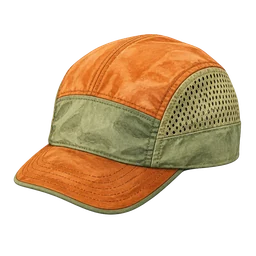
Cap or headband
Keeps sun and rain out of your eyes, or holds heat in when it is cold.
Why you need it. Keeps sun and rain out of your eyes, or holds heat in when it is cold.
What to look for. A light breathable cap for summer, a merino or fleece headband for winter. Both should sit tight enough not to shift.
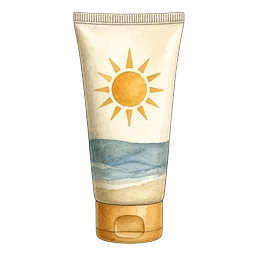
Sunscreen
UV exposure climbs with altitude and reflects off water and snow, so thin cloud is no protection at all.
Why you need it. UV exposure climbs with altitude and reflects off water and snow, so thin cloud is no protection at all.
What to look for. SPF 30 or higher in a small tube you can reapply from. Add a lip balm with SPF — it is the spot everyone forgets.
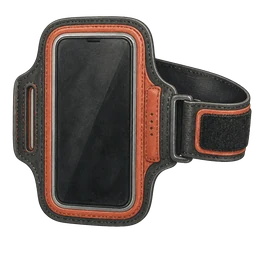
Phone armband or belt pouch
Somewhere to put a phone that is not your hand or a bouncing pocket.
Why you need it. Somewhere to put a phone that is not your hand or a bouncing pocket.
What to look for. A snug band or waist pouch that holds the phone flat, with a small loop for a key. Try it on before buying.
Water, tracking and recovery
0 of 6
The things that matter once runs get longer and more regular.
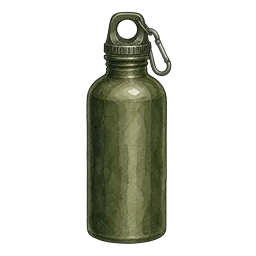
Water bottle
Dehydration is the quiet reason most days out start to feel hard. Carrying your own water means you never depend on finding a tap.
Why you need it. Dehydration is the quiet reason most days out start to feel hard. Carrying your own water means you never depend on finding a tap.
What to look for. Around 1 litre per person for a half-day, easy to drink from one-handed, and a shape that fits your pack's side pocket.
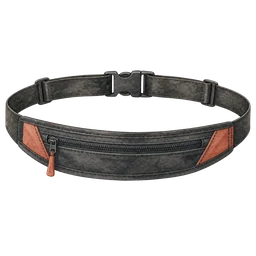
Running belt
Once runs pass an hour you need to carry water, a gel and a key without noticing them.
Why you need it. Once runs pass an hour you need to carry water, a gel and a key without noticing them.
What to look for. A wide elastic belt or one with a small soft flask. It should stay still when you jog on the spot.
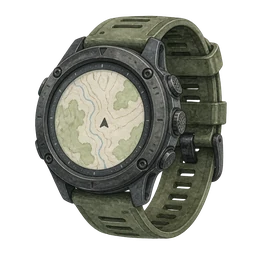
Running watch
Turns a run into something you can pace and repeat, instead of guessing.
Why you need it. Turns a run into something you can pace and repeat, instead of guessing.
What to look for. GPS, a decent battery and a screen you can read mid-stride. A basic model plus a phone app covers most needs.
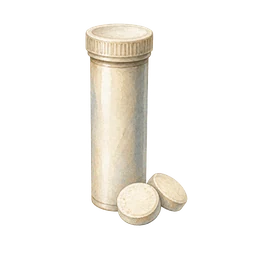
Electrolyte tablets
On hot or long runs you lose salt as well as water, and that is what causes the heavy-legged fade.
Why you need it. On hot or long runs you lose salt as well as water, and that is what causes the heavy-legged fade.
What to look for. Sugar-light tablets that dissolve in a bottle. Check the sodium content rather than the flavour.
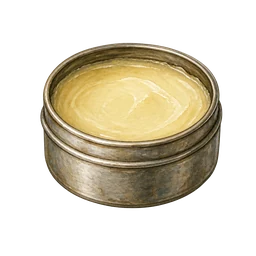
Anti-chafe balm
Chafing is the injury most likely to actually stop you running, and it is entirely preventable.
Why you need it. Chafing is the injury most likely to actually stop you running, and it is entirely preventable.
What to look for. A stick or tub of silicone-based balm for feet, inner thighs and anywhere a strap sits.
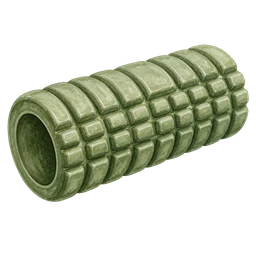
Foam roller
The cheapest way to keep calves and thighs from tightening up as your weekly distance grows.
Why you need it. The cheapest way to keep calves and thighs from tightening up as your weekly distance grows.
What to look for. A medium-density roller around 30-45 cm. Textured versions are firmer than they look.
Field notes
Practical advice for running
Use this checklist as a starting point, then adapt it to the people, place, conditions and length of your plan.
What this guide covers
This list is for regular road, path and park runs from roughly twenty minutes to an hour. Good shoes, clothing that manages sweat and visibility in poor light cover most needs. Add hydration, carrying capacity and recovery tools only when distance, weather or personal comfort makes them useful.
Dress for conditions, not the doorway
You should usually feel slightly cool at the start. Heat increases fluid and sun-protection needs; cold and wind make gloves, a light outer layer and dry clothing afterwards more important. Trail routes require grip and navigation that a familiar pavement does not, while longer outings need energy and a plan for getting home if the run ends early.
Priorities and common mistakes
Choose shoes for fit and comfort rather than colour or promises about speed, then increase distance gradually. Common mistakes include replacing every item at once, wearing cotton in cold rain, skipping reflective details after dusk, and treating soreness that changes your stride as something to run through.
A sustainable routine
Lay out the next run's kit in advance and check lights or watch batteries before leaving. Tell someone when a route is remote, carry identification where appropriate, and use crossings rather than assuming drivers have seen you. Persistent pain, chest symptoms, faintness or unusual breathlessness deserve professional medical advice.